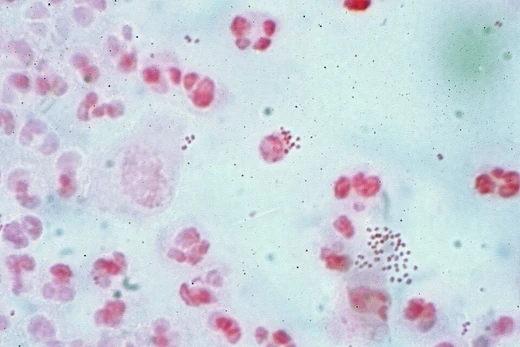
Clostridium botulinum
Anaerobic bacterium producing the most potent known neurotoxin.

Clostridium botulinum is a gram-positive, rod-shaped, anaerobic, spore-forming, motile bacterium that produces botulinum toxin, a highly potent neurotoxin. It is a diverse group of pathogenic bacteria, initially grouped by their ability to produce botulinum toxin, and now known as four distinct groups (I–IV). The bacterium causes botulism, a severe flaccid paralytic disease in humans and other animals, and is commonly associated with bulging canned food, traditionally aged meats, and carrion.
- field
- Microbiology
- known_for
- Production of botulinum toxin, the most potent toxin known in scientific literature
- toxin_lethal_dose
- 1.3–2.1 ng/kg in humans
- serotypes
- A–G
- groups
- I–IV (plus toxin-producing C. butyricum and C. baratii)
Lore & Background
Clostridium botulinum is an obligate anaerobe that tolerates traces of oxygen due to the enzyme superoxide dismutase. It produces the neurotoxin only during sporulation, which occurs in an anaerobic environment. The bacterium is divided into four phenotypic groups (I–IV) and seven serotypes (A–G) based on the antigenicity of the botulinum toxin produced. The two phylogenetic trees do not match because of horizontal gene transfer of the toxin gene cluster. Botulinum neurotoxin (BoNT) is resistant to degradation by enzymes in the gastrointestinal tract, allowing ingested toxins to be absorbed into the intestines and bloodstream. Most strains produce one type of BoNT, but strains producing multiple toxins have been described, such as Bf and Ab types. The neurotoxin genes have been subject to horizontal gene transfer, possibly from a viral (bacteriophage) source, supported by the presence of integration sites flanking the toxin in some strains. C. botulinum is responsible for food-borne botulism (ingestion of preformed toxin), infant botulism (intestinal infection), and wound botulism (infection of a wound). Toxin types A, B, E, F, and H (FA) cause disease in humans; types A, B, and E are associated with food-borne illness, while type E is specifically associated with fish products. Type C produces limber-neck in birds, and type D causes botulism in other mammals. No disease is associated with type G.
Reader's Guide
Clostridium botulinum is significant primarily for its production of botulinum toxin, the most potent toxin known in scientific literature, natural or synthetic, with a lethal dose of 1.3–2.1 ng/kg in humans. This neurotoxin causes botulism, a severe flaccid paralytic disease that can be fatal. The bacterium's ability to form heat-resistant endospores allows it to survive in soil and adverse conditions, making it a persistent hazard in food preservation. Its association with bulging canned food, traditionally aged meats, and carrion highlights its role in food-borne illness. The diversity of C. botulinum into four groups and seven serotypes, along with horizontal gene transfer of toxin genes to other Clostridium species (such as C. butyricum and C. baratii), poses ongoing challenges for the food industry, where preservation systems are designed to target only C. botulinum. The study of its sporulation, germination, and metabolism—including Stickland fermentation and chitin breakdown—continues to inform microbiology and public health measures. Its legacy includes both the threat of botulism and the medical use of botulinum toxin in controlled doses.
Did You Know?
- Botulinum toxin is the most potent toxin known in scientific literature, with a lethal dose of 1.3–2.1 ng/kg in humans.
- C. botulinum produces the neurotoxin only during sporulation, which requires an anaerobic environment.
- Toxin type E is specifically associated with fish products.
- C. botulinum spores are not found in human feces unless the individual has contracted botulism, and the bacterium cannot spread from person to person.
Identity, Classification, and the Toxin Gene's Strange Origin
C. botulinum is a gram-positive, rod-shaped, motile, spore-forming bacterium that thrives only in the absence of oxygen. What unifies this diverse collection of pathogens is a single capability: the production of botulinum neurotoxin. The species is now recognized as four distinct phenotypic groups (I through IV), a division confirmed by 16S rRNA sequencing and whole-genome analyses. Separately, the toxins themselves fall into seven serotypes labeled A through G, classified by their antigenic properties. Interestingly, these two classification systems do not align neatly, because the toxin gene cluster has been horizontally transferred between organisms, likely originating from a bacteriophage source. Integration sites flanking the toxin gene in certain strains support this viral origin, though those sites have degraded over evolutionary time (except in C and D types), suggesting the acquisition occurred long ago. Yet mobile genetic elements like plasmids continue to shuttle toxin genes even today, and some strains of C. butyricum and C. baratii have acquired the ability to produce the neurotoxin as well.
The Most Potent Toxin Documented in Science
Botulinum neurotoxin holds the distinction of being the most lethal substance recorded in all of science, whether natural or synthetic. A dose as small as 1.3 to 2.1 nanograms per kilogram of body weight can kill a human. Once ingested, the toxin resists breakdown by the digestive enzymes of the gastrointestinal tract, allowing it to be absorbed through the intestinal wall into the bloodstream and trigger a severe flaccid paralysis of the nervous system. Five serotypes (A, B, E, F, and the recombinant H) are implicated in human disease, with A, B, and E most commonly linked to food-borne illness and type E specifically tied to fish products. Type C causes limber-neck in birds, type D affects other mammals, and type G has no known disease association. The gold standard for identifying the toxin type remains the mouse bioassay, though quantitative PCR can now distinguish the genes for types A, B, E, and F in the laboratory.
Where It Lurks: Ecology and Anaerobic Survival
As an obligate anaerobe, C. botulinum demands an oxygen-free environment to grow and, critically, to produce its neurotoxin, which is synthesized only during sporulation. Nevertheless, the bacterium tolerates trace amounts of oxygen thanks to superoxide dismutase, an antioxidant enzyme that shields its cells from oxidative damage. Its heat-resistant endospores are ubiquitous in soil and can persist through harsh conditions, waiting for the right anaerobic niche. In the real world, this niche appears in bulging canned goods, where internal gas pressure from bacterial metabolism distorts the can, in traditionally aged meats such as igunaq, and even in the decomposing flesh of a beached whale. The bacterium's three main disease pathways in humans reflect these habitats: food-borne botulism from ingesting preformed toxin, infant botulism from intestinal colonization by toxin-producing strains, and wound botulism from infection of a contaminated injury. Each route exploits the same fundamental requirement: an oxygen-poor environment where spores germinate, the bacterium multiplies, and sporulation triggers toxin release.
Metabolic Ingenuity in the Dark
C. botulinum has evolved sophisticated metabolic strategies to extract energy and building blocks in oxygen-free environments. Chitin, the structural polymer found in fungal cell walls and arthropod exoskeletons, serves as its preferred source of both carbon and nitrogen. The Hall A strain, for instance, maintains an active chitinolytic system dedicated to breaking down this polymer. Beyond chitin, many of the bacterium's genes are dedicated to carbohydrate breakdown and sugar metabolism, and toxin production in types A and B is modulated by nitrogen and carbon nutrition, with evidence pointing to catabolite repression as a regulatory mechanism. Like other proteolytic clostridia, C. botulinum can also harvest amino acids as carbon and energy sources through a distinctive process called Stickland fermentation. In this reaction, two amino acids play complementary roles: one donates electrons while the other accepts them. The process not only generates precursors for other metabolic pathways but also regenerates NAD+, the essential oxidizing agent required for the Embden-Meyerhof-Parnas glycolytic pathway. This dual capacity for chitin degradation and amino-acid fermentation allows the bacterium to thrive in nutrient-poor, anaerobic niches where few competitors can survive.
Frequently Asked Questions
Who is Clostridium botulinum?
It is a gram-positive, rod-shaped, anaerobic bacterium capable of forming resilient spores and moving via motility. The organism is now recognised as four distinct genomic groups (I–IV) and is best known for manufacturing botulinum toxin, the most lethal neurotoxin ever catalogued in the scientific literature.
What are Clostridium botulinum's powers/role?
Its signature ability is synthesising botulinum toxin, a neurotoxin so potent that the estimated human lethal dose is only about 1.3 to 2.1 nanograms per kilogram of body weight. The toxin blocks acetylcholine release at neuromuscular junctions, producing the flaccid paralysis that defines botulism in humans and other animals.
How does Clostridium botulinum's story end?
In untreated cases the progressive flaccid paralysis can advance to respiratory failure and death, though patients who survive the acute phase typically recover as new nerve terminals regenerate. The bacterium itself never truly disappears; it retreats into dormant spores in soil or improperly preserved food, waiting for anaerobic conditions to trigger germination again.
Why is Clostridium botulinum important?
Holding the record for the most potent known toxin in all of scientific literature, it anchors toxicology research and drives strict public-health food-safety protocols. Its seven toxin serotypes (A through G) and four genomic groups also make it a key model for studying bacterial diversity, spore biology, and toxin evolution.
Where is Clostridium botulinum usually 'found' in the wild?
Fans most often encounter it in association with bulging canned goods, traditionally aged meats, and carrion, all environments where its strict anaerobic lifestyle thrives. In nature it resides quietly in soil and aquatic sediments, forming hardy spores that can persist for years until low-oxygen conditions prompt germination.
More in Pathogenic Bacteria 1-20
Spotted an error? Know more?
This is a living reference — every entry is fact-audited, and reader corrections feed straight into our audit queue. Suggest an edit · See this site's audit record